
 Membership
 Network
 Regional Sites & Affiliates


 Events
 Participate
 Resources
 Training
 Credentials
 Government


 Publications
 Tools


 Business Overview




Facility managers know that the decisions made far beyond the walls of a building can have a very real impact inside it.
Policies around indoor air quality can influence how organizations create healthier indoor environments. Federal funding decisions can determine whether aging government facilities receive the maintenance and investment they need. Workforce policies can affect the pipeline of skilled professionals entering the field, while changes to insurance, infrastructure and federal appropriations can have lasting implications for how facilities are operated, maintained and made resilient.
That’s why facility management needs a voice in government.
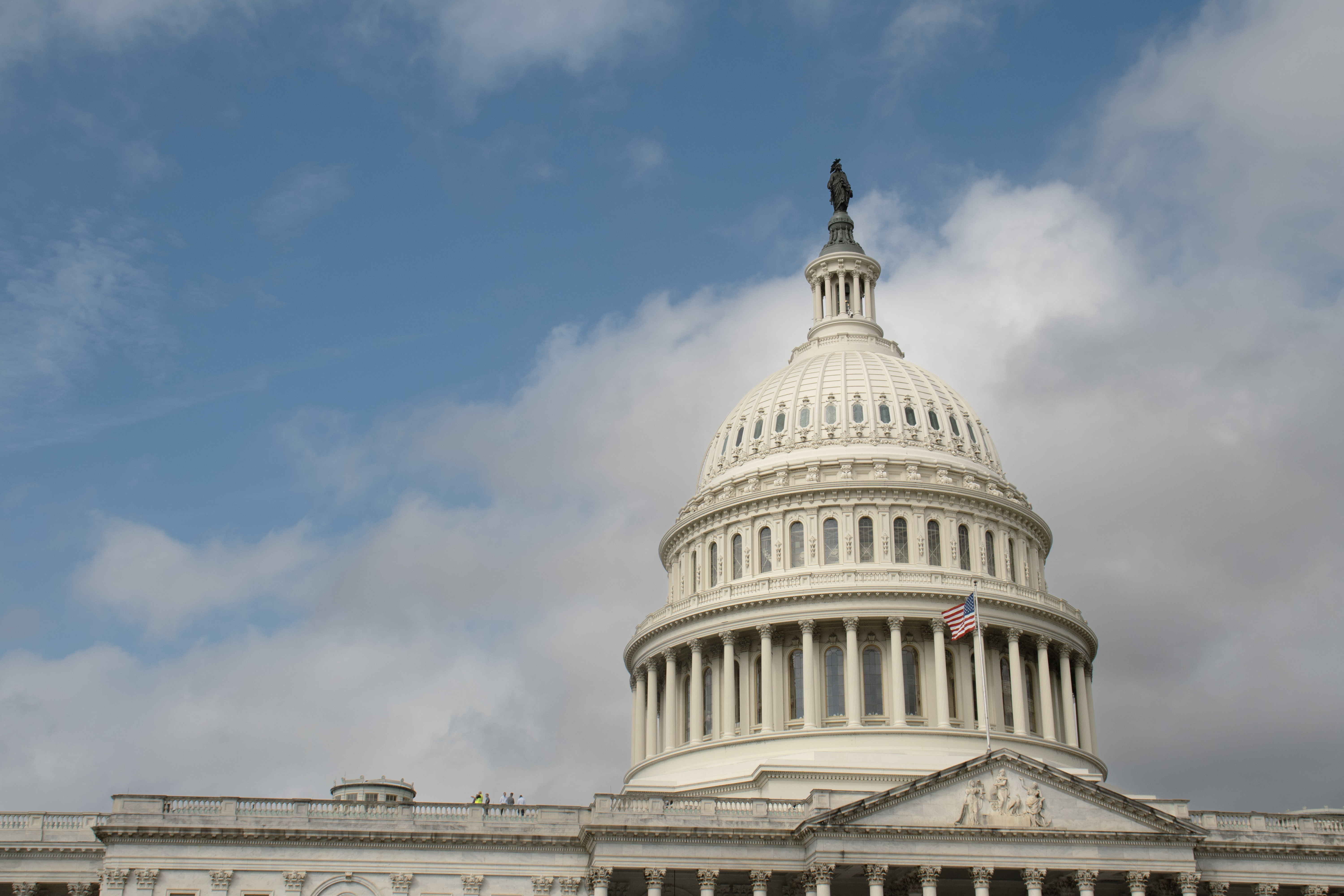
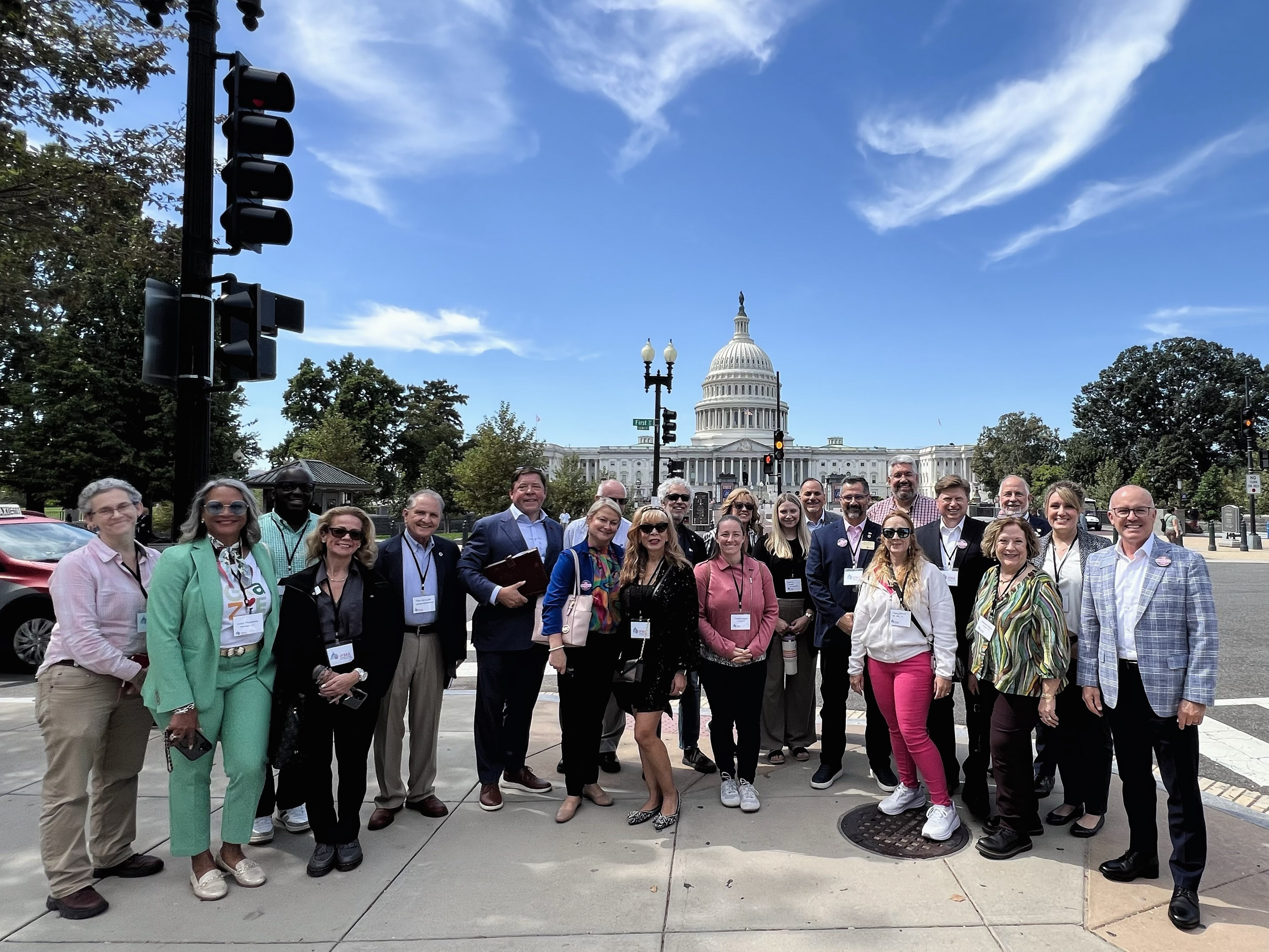
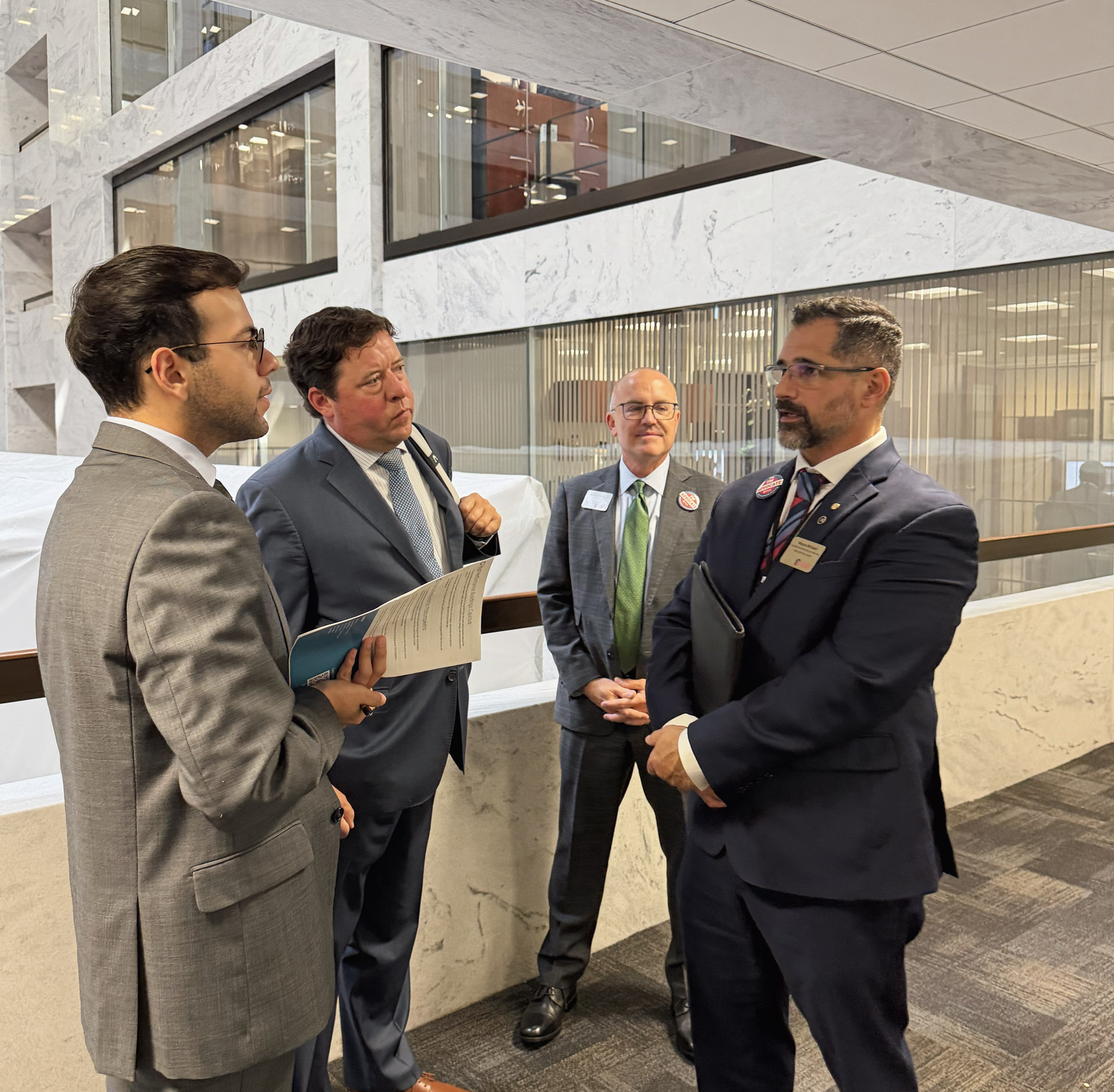
At IFMA’s 2026 Advocacy Forum, facility management professionals came together in Washington, D.C., to make that voice heard. They brought the realities of the profession to conversations with policymakers, connecting federal policy to the people, buildings and communities affected by those decisions.
FM belongs in the conversation
Facility management touches nearly every aspect of the built environment, yet the profession isn’t always part of the conversations that shape it. Advocacy creates an opportunity to change that by bringing FM expertise directly to the people making decisions.
This year, IFMA’s advocacy efforts centered on issues that matter to facility professionals and the organizations they serve, including indoor air quality, federal building funding and maintenance, terrorism risk insurance, workforce development and federal appropriations.
Each issue represents a larger conversation about how we build, operate and sustain the places where people live and work.
Turning policy into practice
Consider indoor air quality. For FM professionals, it isn’t an abstract policy issue. It is part of creating healthy, functional environments for the people who occupy a building every day.
Federal building funding and maintenance aren’t simply budgetary questions, either. They affect the ability to maintain aging facilities, address critical infrastructure needs and keep buildings safe and operational.
And workforce development speaks directly to one of the profession’s most pressing challenges: ensuring there are skilled FM professionals ready to lead the facilities of tomorrow.
These are FM issues. And FM professionals have a perspective policymakers need to hear.
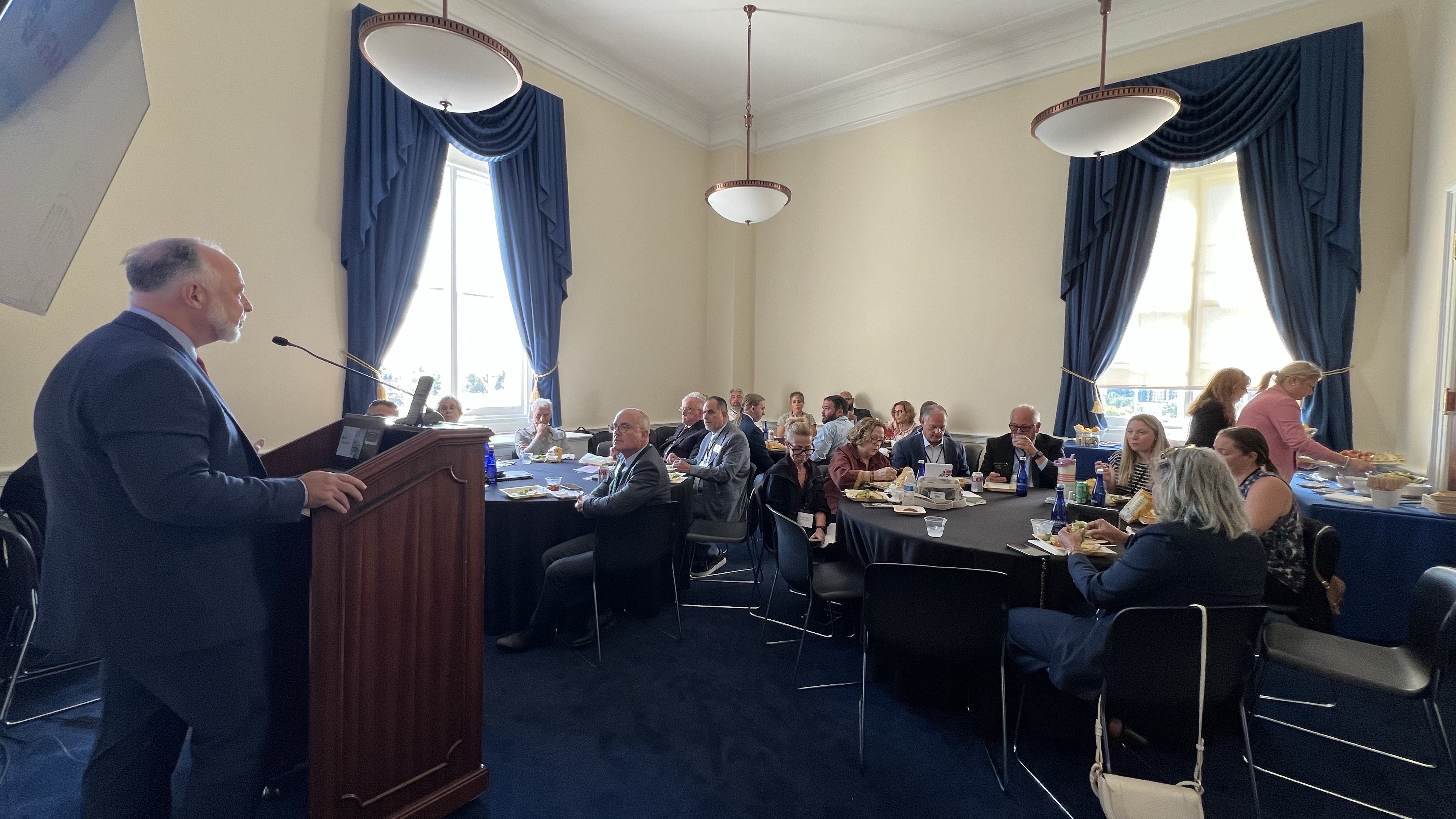
That perspective was front and center when attendees took their advocacy efforts to Capitol Hill, meeting with congressional offices to share their experiences and discuss the impact of federal policy on facility operations.
Those conversations matter because facility managers see the consequences of policy decisions firsthand. They understand what it takes to keep a building safe, efficient and resilient. They know where resources are needed, where challenges are emerging and what happens when critical infrastructure or workforce needs are overlooked.
No one knows those realities better than the professionals working inside the built environment every day.
A voice for the built environment
The Advocacy Forum also reinforced an important truth about advocacy: one voice can start a conversation, but a collective voice can move it forward.
When FM professionals from different organizations, industries and communities come together around shared priorities, they demonstrate the breadth and importance of the profession. They show policymakers that facility management is not simply a behind-the-scenes function. It is an essential part of how organizations operate and how communities function.
And the work doesn’t stop when the meetings end.
The conversation continues
Advocacy is an ongoing effort to make sure FM has a place in the conversations that shape the future of the built environment. Through its advocacy work, IFMA is helping members understand the policy landscape, engage with policymakers and champion issues that matter to the profession.
The 2026 Advocacy Forum was one step in that larger effort.
FM professionals showed up. They shared their expertise. They made the case for the profession.
Now, the conversation continues.
Because facility managers don’t just manage the places where people work, learn, heal and live. They help shape what those places can become.
And FM deserves a voice in shaping the policies that make that future possible.
Stay connected to FM advocacy
Want to stay informed about IFMA’s advocacy efforts and opportunities to get involved? Learn more about IFMA advocacy and stay up to date on upcoming Advocacy Forums.