
 Membership
 Network
 Regional Sites & Affiliates


 Events
 Participate
 Resources
 Training
 Credentials
 Government


 Publications
 Tools
Tools


 Business Overview




Facility Managers today are asked to maintain higher hygiene standards, meet ambitious sustainability goals and manage fluctuating occupancy levels, all while navigating labor shortages and tighter budgets. Restrooms alone account for a large share of workplace complaints and undermine operational efficiency. Achieving “sustainable efficiency” has therefore become a strategic priority: operating buildings with minimal waste, more consistent hygiene outcomes and smarter allocation of staff time.
This article brings together current industry insights to show how Facility Managers can unlock sustainable efficiency by aligning data‑driven hygiene strategies, smart system design and environmental responsibility.
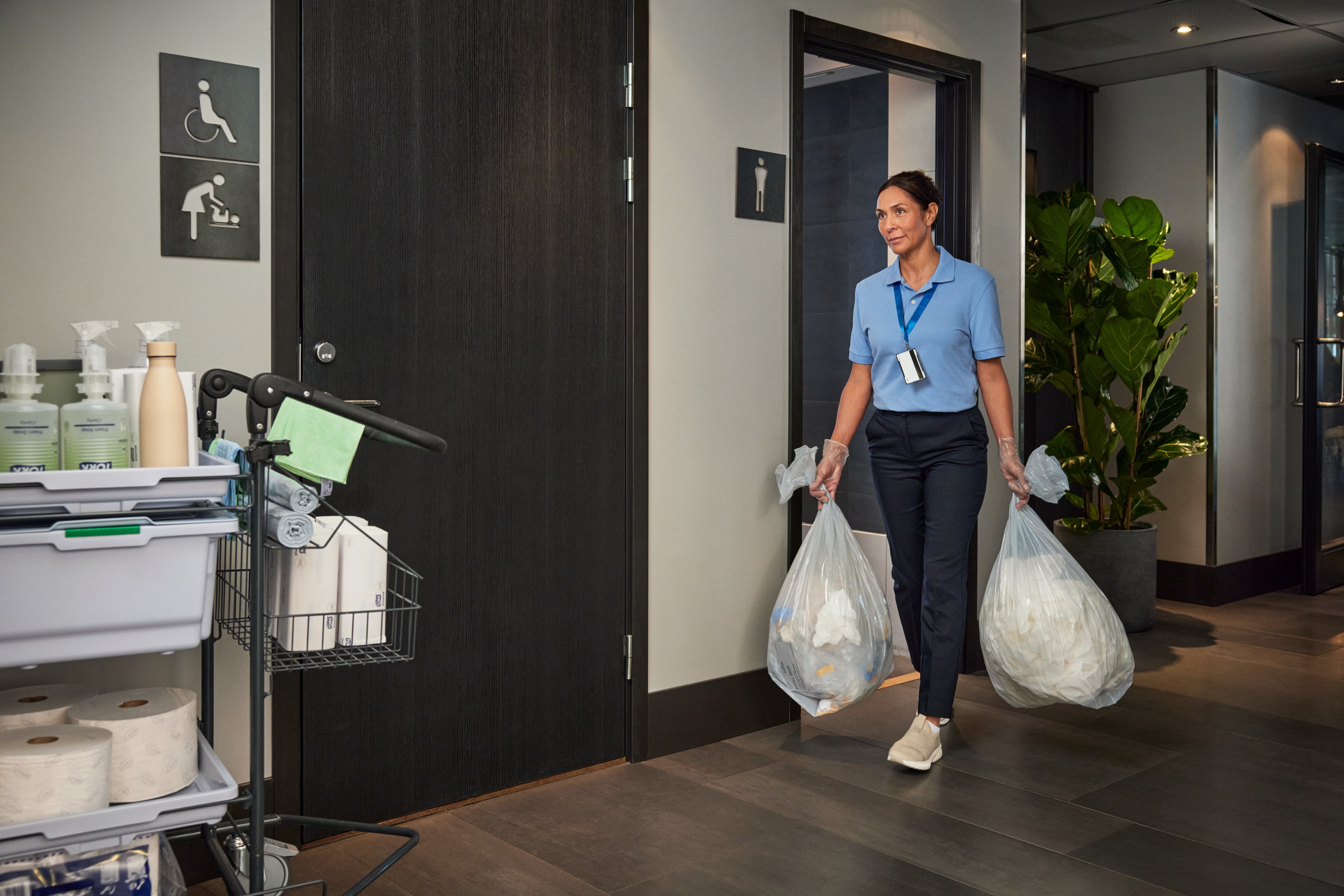
The changing landscape of facility hygiene
Hygiene expectations are now permanently higher
Industry studies show that employees expect more rigorous and more frequent cleaning than before the pandemic. A recent Tork research study by Kantar indicates 7 out of 10 employees now expect extra cleaning rounds in the office, demonstrating that hygiene expectations are not reverting to pre pandemic norms. Additionally, workplace perception is tightly connected to restroom conditions: According to an internal office segment study by Tork, 86% of office users consider cleanliness the most important factor in a positive work environment, and washrooms significantly influence how occupants perceive the entire building’s standards.
These expectations add operational strain, especially when staffing levels and budgets aren’t increasing at the same pace.
Complaint patterns highlight systemic inefficiencies
The latest qualitative research by Tork, shows complaints about run outs, inconsistent cleaning quality, and difficult to-use dispensers remain widespread. These issues not only influence user satisfaction but also divert FM resources toward reactive problem solving. Complaints disproportionately originate in restrooms as mentioned by Statista, an environment with unpredictable fluctuations based on occupancy patterns and meeting schedules.
Addressing these root causes is central to improving both operational stability and occupant confidence.
Sustainability goals are tightening
FMs are also navigating stricter sustainability targets, legislative pressures, and rising expectations from stakeholders. Finding environmentally responsible solutions without compromising functionality is a central challenge.
How sustainable hygiene solutions boost efficiency
One path to sustainable efficiency lies in reducing consumption and waste without compromising hygiene quality. Modern dispensing systems demonstrate how design can simplify efficiency and sustainability.
1. Reduce waste and environmental impact
Modern dispensing systems can reduce waste by helping regulate usage. Features such as one‑at‑a‑time dispensing limit overconsumption and contribute to cleaner restrooms, which can lower product usage and reduce the time required for cleaning tasks.
-
Coreless toilet paper systems remove the cardboard core, reducing overall packaging waste.
-
High‑capacity dispensers are designed to stay in service longer, which can reduce the frequency of empty dispensers and minimize waste through more compact, efficient refill formats.
-
Carbon‑neutral certified dispensers may support organizational efforts to reduce carbon impact.
Together, these changes represent practical, relatively low‑effort options for making sustainability measures more visible and operationally relevant.
2. Improve cleaning precision through data driven tools
Data-driven cleaning has become one of the most impactful developments in facility management. Systems that collect real time information, such as occupancy counts and dispenser status, allow cleaning teams to deploy labor based on actual need rather than fixed schedules.
Evidence from an internal study among its customers by Tork shows:
-
Up to 91% fewer dispenser checks, meaning teams waste less time on manual verification.
-
Dispensers remain stocked 99% of the time, greatly reducing run-outs and associated complaints.
Data‑driven cleaning prevents over‑cleaning during low‑traffic periods and under‑cleaning during peaks, saving labor while enhancing user satisfaction.
As FM workloads increase, data‑supported workflows can serve as a stabilizing force that reduces variability and improves predictability across cleaning operations.
3. Optimize cleaner time and efficiency
Operational efficiency is also influenced by the physical design of hygiene systems. Studies show that many manual dispenser checks are unnecessary, as many as 8 out of 10 in traditional restroom workflows, indicating significant room for optimization as shown in the latest qualitative research by Tork.
High‑capacity dispensing systems reduce run‑outs and shorten refill time, allowing cleaning teams to focus more on other essential areas of a facility. Designs that increase product availability and lower refill frequency help maintain consistent service levels, while continuous towel formats can limit paper waste on floors and reduce the risk of shortages during peak usage periods. Dispensers developed with ergonomic considerations can also make refilling easier and reduce physical strain on staff. Together, these efficiency gains can help ease labor pressure, particularly in environments facing ongoing staffing shortages.
4. Deliver a better user experience
Occupant perception is increasingly recognized as a performance indicator. Clean restrooms, consistently stocked, hygienic, and easy to navigate, have a disproportionate influence on how employees evaluate workplace quality. The Essity research shows that restroom conditions influence overall impressions of building cleanliness and organizational care for employees’ wellbeing.
-
Touch‑free dispensing systems can support higher perceived hygiene and help reduce concerns around cross‑contamination, particularly in high‑traffic restrooms.
-
Continuous air‑freshening systems distribute scent more evenly, contributing to a consistently pleasant environment, while skin‑gentle soaps, including dermatologically tested formulations, support user comfort in settings with frequent handwashing.
Enhancing reliability and reducing run‑outs across these systems can improve the overall user experience, leading to fewer complaints and contributing to a more positive workplace culture that aligns with facility management goals for satisfaction and retention.
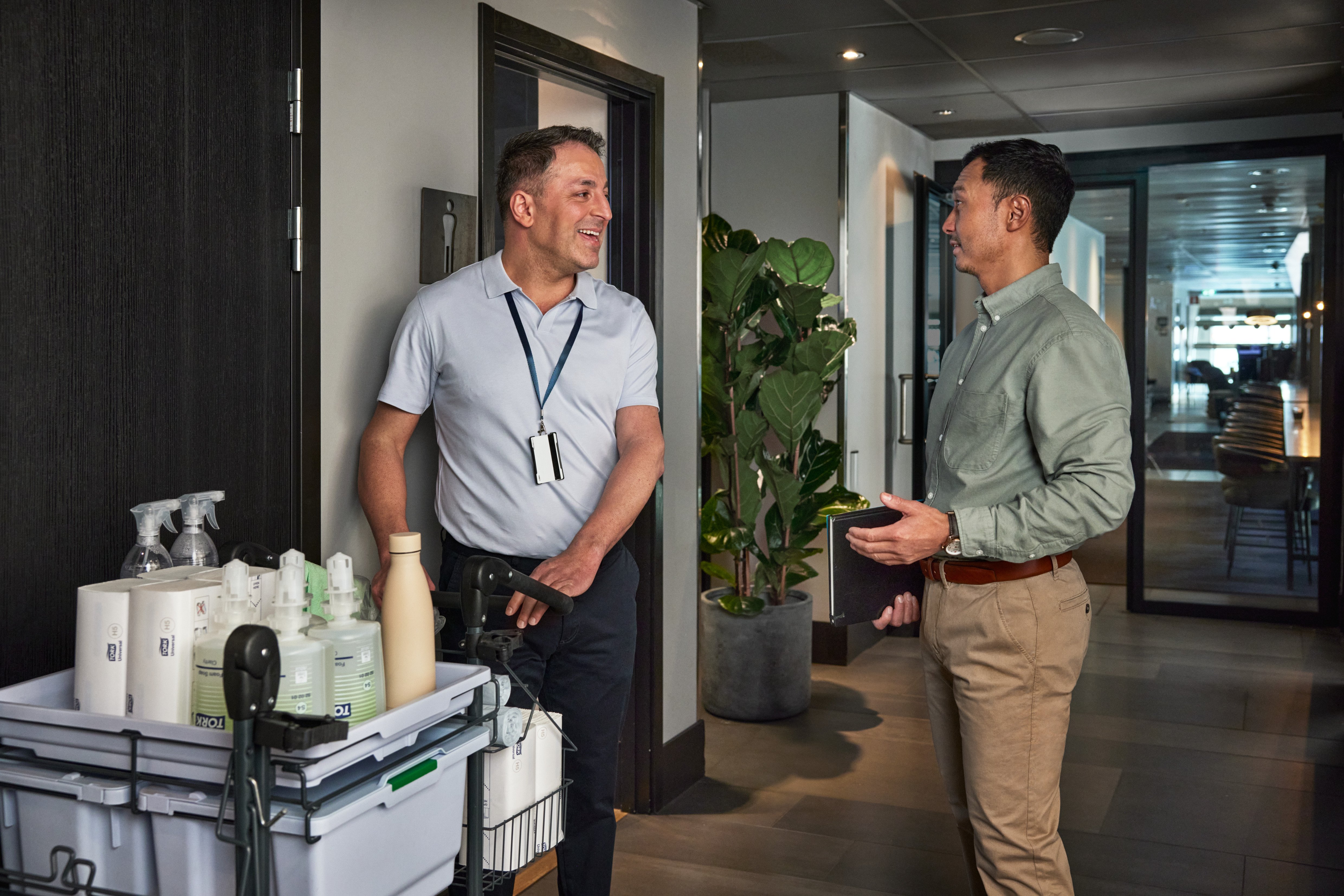
Integrating sustainable efficiency across the facility
Sustainable hygiene practices are not limited to restrooms; reception areas, breakrooms, conference rooms and other shared spaces also require approaches that reflect their distinct traffic patterns and usage behaviors. Applying consistent principles across these areas, such as selecting appropriate products, monitoring performance and regularly reviewing cleaning routines, can help extend sustainability and efficiency improvements throughout the entire building. Using structured, area‑specific planning tools and data‑based assessments can support facility managers in responding to higher hygiene expectations while improving operational effectiveness and progressing toward sustainability objectives at the same time.
A more resilient and strategic FM practice
The path forward for facility managers lies in embracing sustainable efficiency, using data, design and modern workflow principles to create cleaner, more resilient and resource‑efficient buildings. By focusing on waste reduction, precision cleaning, operational streamlining and occupant experience, FMs can navigate today’s pressures while positioning their facilities for long‑term sustainability and performance.
Editor's Note: Katrin “Kat” Ferge is the North American Regional Marketing Manager for the Professional Hygiene–Commercial segment at Essity, leading regional marketing strategy for the company’s flagship brand, Tork. With a background in brand communications, product marketing, and international campaign leadership, she specializes in translating complex value propositions into compelling, customer-focused narratives. Kat is passionate about helping businesses leverage better hygiene to drive operational performance, sustainability, and improved user experience.
.png?width=352&name=Blog%20Graphics%20(21).png)

.png?width=352&name=Blog%20Hero-Space%20Planning%202024%20(1).png)